
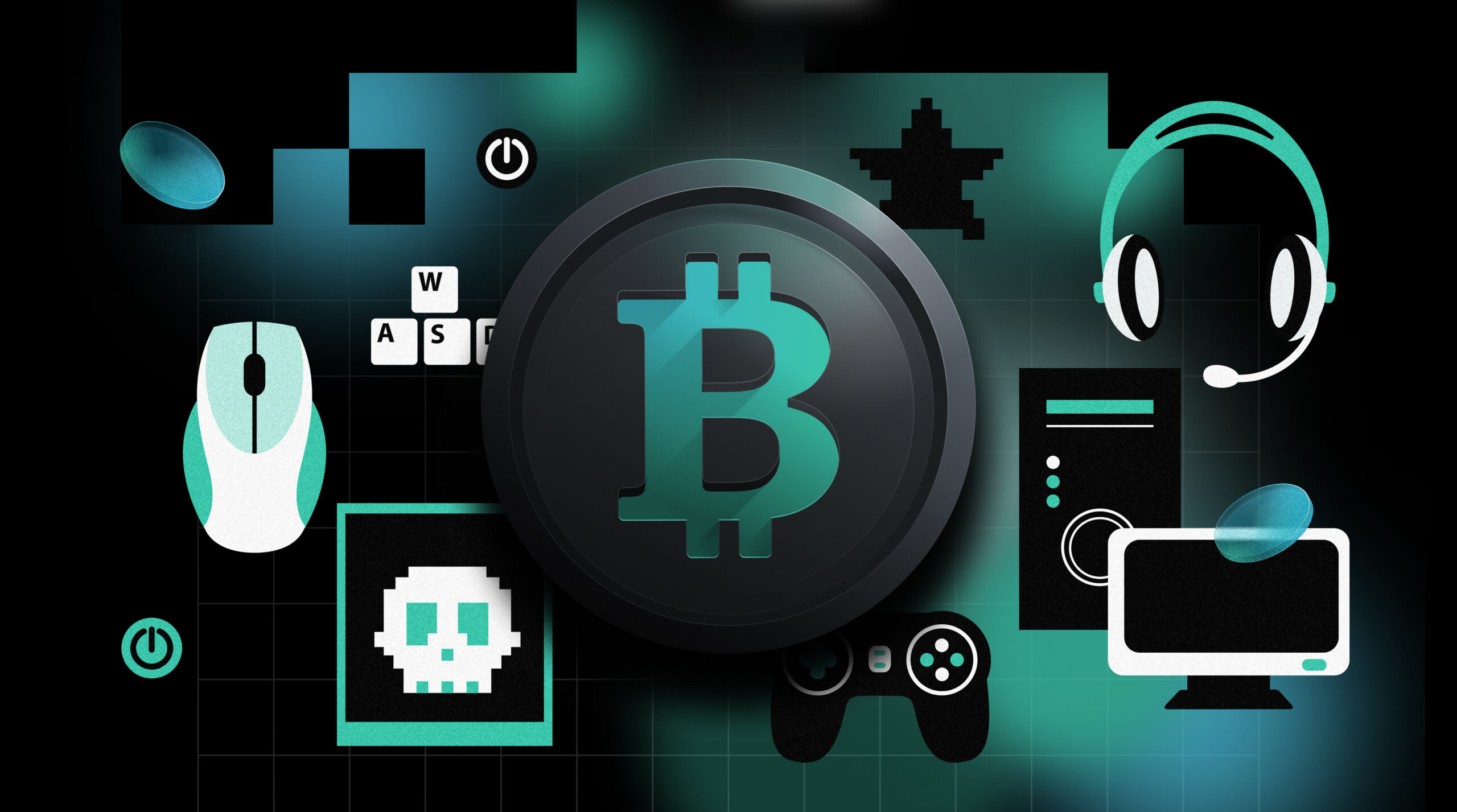
The intersection of blockchain technology and the gaming industry has given rise to an unprecedented digital revolution. Known as blockchain gaming or crypto gaming, this fusion is changing how games are played, how rewards are earned, and how players engage with virtual worlds. It is also minting a new generation of crypto millionaires. Unlike traditional games, blockchain games leverage decentralized networks, allowing players to truly own in-game assets, earn cryptocurrency rewards, and participate in vibrant player-driven economies. This article explores the dynamics of blockchain gaming, its role in wealth creation, and the ecosystem that supports it.
The Evolution of Gaming Economies
Gaming has always been a lucrative industry, but traditionally, the wealth has remained in the hands of game developers and publishers. Players could spend hundreds or even thousands of dollars on in-game purchases, but these items held no real-world value and could not be traded outside the game. With the advent of blockchain technology, this paradigm has changed drastically.
Now, players can own their digital assets in the form of NFTs (non-fungible tokens), which are unique and verifiable on the blockchain. These NFTs can represent anything from rare weapons and costumes to virtual land and characters. Unlike in traditional gaming, these assets can be bought, sold, or traded on various marketplaces, allowing players to profit from their gameplay and strategic investments.
Play-to-Earn: A New Economic Model
At the core of blockchain gaming’s appeal is the Play-to-Earn (P2E) model. In this system, players are rewarded with cryptocurrency for participating in the game, achieving milestones, or contributing to the in-game economy. These rewards can be exchanged for real-world money, giving players a financial incentive to invest their time and skills.
One of the early success stories in the P2E space is Axie Infinity, a game where players breed, train, and battle fantasy creatures called Axies. During its peak, players in countries like the Philippines were earning more than the national average salary by simply playing the game. While Axie’s popularity has fluctuated, it laid the groundwork for other P2E games that followed.
Other notable examples include The Sandbox, Decentraland, and Illuvium, each offering unique experiences and earning opportunities. These games incorporate various mechanics such as land ownership, governance tokens, and yield farming, which add depth to the gaming experience and create additional income streams.
NFTs and True Ownership
The concept of digital ownership is revolutionary. In blockchain games, NFTs serve as proof of ownership and authenticity. This enables a level of control and monetization that was previously impossible. Gamers can sell rare items they’ve collected, rent out virtual real estate, or even license their creations to other players.
Moreover, NFTs allow for interoperability between games. A character or weapon obtained in one game can potentially be used in another, provided the developers support the same blockchain standard. This interconnected ecosystem enhances the value and utility of in-game assets.
The rarity and uniqueness of NFTs also contribute to their value. Just like rare collectibles in the physical world, digital assets with limited supply or special features can fetch high prices on the open market. For instance, virtual land in Decentraland has sold for hundreds of thousands of dollars, and rare Axies have been auctioned for sums that rival real-world luxury goods.
GameFi: The Financialization of Gaming
GameFi, a blend of “Game” and “Finance,” represents the next phase in blockchain gaming. It involves the integration of decentralized finance (DeFi) elements into gaming ecosystems. This includes staking, liquidity mining, yield farming, and governance—all traditionally found in the world of DeFi.
Through GameFi, players can stake their tokens to earn passive income, participate in decentralized autonomous organizations (DAOs) to vote on game development decisions, and contribute liquidity to in-game markets. These financial mechanisms not only enhance player engagement but also provide avenues for wealth creation.
For example, some games allow players to earn governance tokens that grant them voting power over future game updates or economic policies. This participatory model ensures that the community has a voice and a vested interest in the game’s success, aligning incentives between developers and players.
The Rise of Gaming Guilds
Gaming guilds have emerged as a powerful force in the blockchain gaming ecosystem. These organizations pool resources to acquire valuable in-game assets and distribute them among players, often referred to as scholars, who may not have the capital to start playing on their own.
Guilds like Yield Guild Games (YGG), Merit Circle, and GuildFi act as intermediaries, funding new players and sharing profits from in-game earnings. This model not only democratizes access to lucrative games but also scales up earnings potential by optimizing gameplay strategies and asset utilization.
For many, joining a guild has become a gateway to financial freedom. Scholars can earn consistent income while the guild benefits from their productivity. This symbiotic relationship has led to the professionalization of gaming, turning hobbyists into entrepreneurs.
Marketplaces and Liquidity
The liquidity of digital assets is a key factor in wealth creation. Blockchain gaming has given rise to a variety of decentralized marketplaces where NFTs and tokens can be traded freely. Platforms like OpenSea, Rarible, and Magic Eden facilitate peer-to-peer exchanges, often without the need for intermediaries.
The presence of active marketplaces ensures that players can easily convert their in-game earnings into fiat or other cryptocurrencies. Moreover, liquidity pools and automated market makers (AMMs) enhance the efficiency and speed of these transactions.
Some games have even launched their own native marketplaces to retain value within their ecosystems. These platforms often offer lower fees, exclusive listings, and community-driven features that foster player loyalty.
Investor and Institutional Interest
The profitability of blockchain gaming has attracted not only individual gamers but also institutional investors and venture capitalists. Top-tier firms like Andreessen Horowitz, Animoca Brands, and Sequoia Capital have poured millions into blockchain gaming startups.
Their involvement has accelerated the development of high-quality games with complex mechanics and scalable infrastructures. Institutional capital also brings credibility and stability to the market, attracting more developers and players.
The inflow of investment has led to job creation, innovation in gameplay mechanics, and the professionalization of the industry. As a result, blockchain gaming is no longer a fringe movement but a legitimate sector of the broader crypto economy.
Challenges and Risks
Despite its promise, blockchain gaming is not without challenges. Market volatility, regulatory uncertainty, and the complexity of onboarding new users are significant hurdles. The value of NFTs and game tokens can fluctuate wildly, impacting player earnings and investor confidence.
Scams, rug pulls, and poorly managed economies have also plagued the space. Many early projects lacked long-term sustainability, focusing on quick profits rather than user experience and gameplay depth. This has led to skepticism and caution among both players and investors.
Moreover, the environmental impact of blockchain networks, especially those relying on proof-of-work consensus, has drawn criticism. However, the transition to more energy-efficient models like proof-of-stake is helping to mitigate these concerns.
The Future of Blockchain Gaming
Looking ahead, the future of blockchain gaming appears bright. The continued integration of AI, augmented reality (AR), and virtual reality (VR) promises to create even more immersive experiences. Cross-chain interoperability will further expand asset usability, while advancements in scalability and user interface design will lower barriers to entry.
Traditional gaming giants like Ubisoft, Square Enix, and EA are already exploring blockchain integration, signaling a shift in industry norms. As the technology matures, we can expect more hybrid models that blend the best of traditional and blockchain gaming.
Most importantly, the ability to earn, own, and participate in the governance of virtual worlds is empowering players like never before. For a growing number of individuals around the world, blockchain gaming is not just entertainment—it’s a pathway to financial independence.