

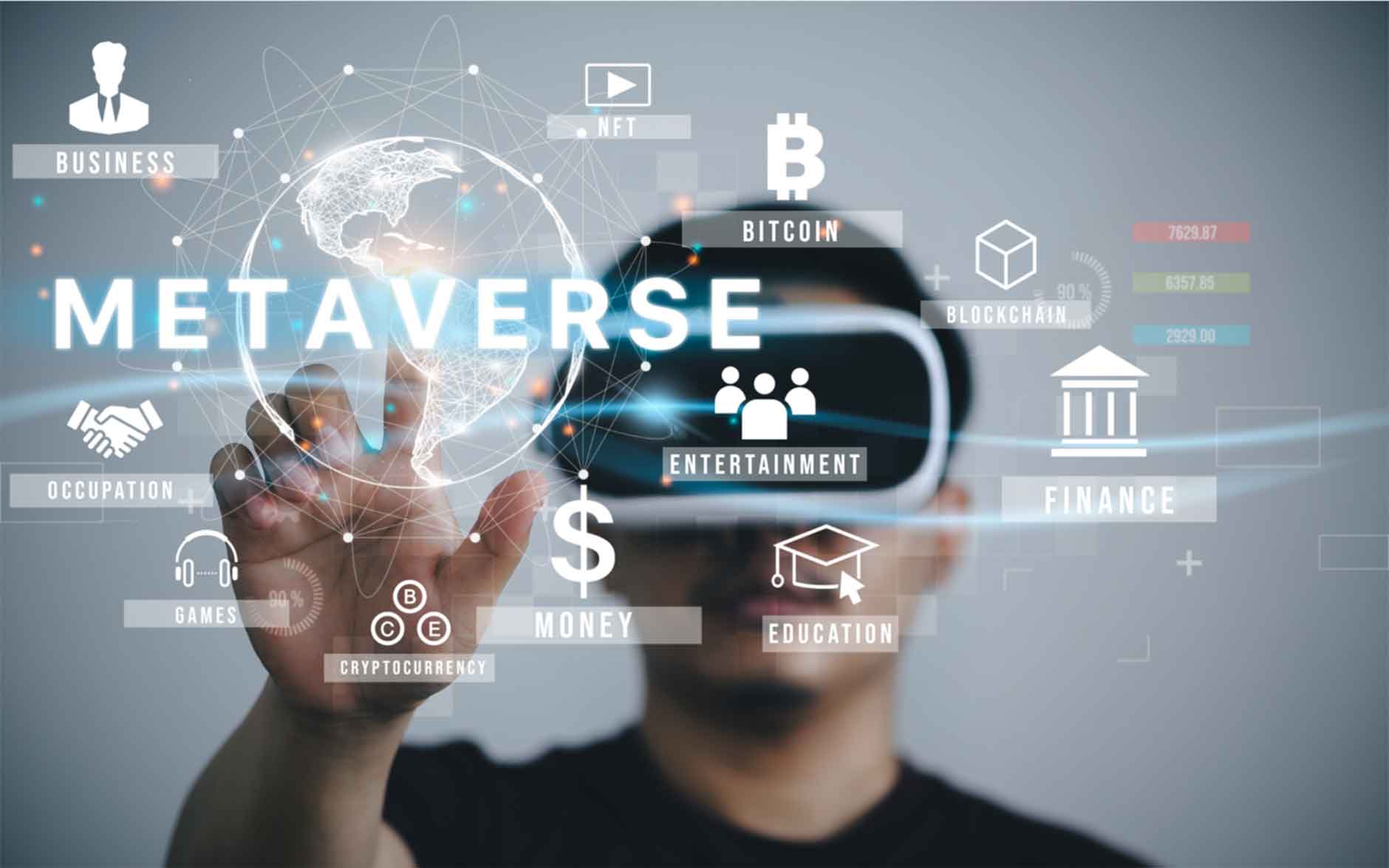
The idea of the metaverse has captivated technologists, gamers, entrepreneurs, and futurists for years. Originally born out of science fiction and gaming culture, the term “metaverse” has evolved into a serious technological concept with the potential to revolutionize how humans interact, work, and even build economies. Paired with blockchain technology and cryptocurrencies, the metaverse is no longer a mere digital fantasy—it’s rapidly becoming a decentralized and immersive internet experience.
This article takes you deep into what the metaverse is, how it’s built, the role of crypto and blockchain in its development, and how these two groundbreaking technologies—virtual worlds and digital currencies—are colliding to create something entirely new.
What is the Metaverse?
The metaverse is a persistent, digital universe that exists parallel to the physical world. It consists of interconnected virtual environments where users, represented by digital avatars, can socialize, play, build, trade, and work. Think of it as an advanced internet, but navigated through 3D spaces, immersive technology (like VR and AR), and real-time interaction.
While early virtual worlds like Second Life or World of Warcraft provided glimpses into what a metaverse could be, today’s vision of the metaverse goes further. It aims to integrate digital identities, economies, and experiences into a seamless and persistent environment that continues to exist and evolve even when users log off.
The Building Blocks of the Metaverse
The metaverse isn’t a single application or platform—it’s a convergence of multiple technologies and systems. These include:
- Virtual Reality (VR) and Augmented Reality (AR): Devices like Oculus Quest, PlayStation VR, and AR glasses create immersive user experiences.
- 3D Engines: Platforms like Unity and Unreal Engine power the graphical environments.
- Artificial Intelligence: AI controls NPCs (non-player characters), creates dynamic environments, and enhances user interactions.
- Cloud Computing: Ensures scalability and access from any device, anywhere.
- Blockchain: Provides decentralized ownership, governance, and verifiable digital scarcity.
- Cryptocurrencies and NFTs: Create digital economies where users can buy, sell, and trade assets.
Crypto’s Role in the Metaverse
Cryptocurrency and blockchain technology are arguably the most critical enablers of the modern metaverse. Without them, the vision of a decentralized, user-owned internet would be incomplete. Here’s how crypto fits into the picture:
1. Ownership of Digital Assets
One of the most revolutionary aspects of blockchain is that it allows users to own digital assets verifiably. Through Non-Fungible Tokens (NFTs), users can own unique items—like virtual land, clothing, art, and items in games—and trade them freely across marketplaces. These items are stored on a blockchain, giving users true ownership that isn’t controlled by a central entity.
2. Interoperability
Because blockchain is decentralized, it allows for assets to be transferred across different platforms. A skin or weapon acquired in one game could be used in another, or a digital identity could be recognized across multiple virtual worlds. This concept of interoperability relies on open standards and blockchain protocols like Ethereum and Polkadot.
3. Decentralized Economies
In the metaverse, users can earn cryptocurrencies through participation. Play-to-earn games like Axie Infinity or metaverse platforms like Decentraland allow users to create, rent, or sell virtual goods and services. Cryptocurrencies become the native currencies of these worlds, enabling peer-to-peer transactions without banks or intermediaries.
4. Smart Contracts
Smart contracts are self-executing programs on the blockchain that automatically enforce agreements. In the metaverse, they can govern the sale of virtual real estate, rental agreements, copyright licensing, and more. This automation enhances trust and removes the need for centralized oversight.
5. Governance and DAOs
Decentralized Autonomous Organizations (DAOs) give users the ability to vote on the future direction of metaverse platforms. Token holders can propose changes, vote on community funds, or shape the rules of a virtual society. This democratizes control and allows communities to self-regulate.
Key Platforms at the Intersection of Crypto and the Metaverse
Several platforms are leading the charge in combining metaverse experiences with blockchain technology.
Decentraland
Decentraland is a decentralized virtual world where users can buy, sell, and build on virtual land parcels using the MANA token. It runs on the Ethereum blockchain and gives users governance rights through a DAO. Events, art galleries, casinos, and marketplaces are just some of the experiences within Decentraland.
The Sandbox
The Sandbox allows players to build, own, and monetize gaming experiences. Using SAND tokens, users can trade assets or buy LAND (virtual real estate) to create immersive games or social hubs. The platform leverages NFTs to represent ownership of items and experiences.
Axie Infinity
While more of a game than a virtual world, Axie Infinity revolutionized play-to-earn by letting users breed, train, and battle digital creatures called Axies. Players earn SLP (Smooth Love Potion) and AXS (Axie Infinity Shards), which can be traded or reinvested in the game economy.
Somnium Space and Cryptovoxels
These platforms offer virtual reality experiences where users can explore, socialize, and participate in events. Built on Ethereum, they use crypto wallets and NFTs for asset ownership and identity.
Virtual Land and Digital Real Estate
In the metaverse, land isn’t physical, but it’s valuable. Each piece of virtual land is represented as an NFT, making it unique and tradeable. Like real-world real estate, land in popular areas can appreciate in value based on location, traffic, or usage.
Landowners can build stores, event spaces, games, or galleries. Some even rent out land to others. Companies like Atari, Adidas, and even investment firms have begun purchasing metaverse land, betting on its future relevance.
Identity and Avatars
In the metaverse, your identity is your avatar. But it goes deeper than visuals. Blockchain can store identity data, such as your crypto wallet, NFTs owned, experience history, and reputation. This forms a portable, verifiable identity across platforms.
Some startups are working on Self-Sovereign Identity (SSI) solutions using blockchain to allow users to manage their own digital identity without relying on centralized services like Facebook or Google.
Monetization in the Metaverse
How do people make money in the metaverse? There are several ways:
- Play-to-Earn: Gamers earn tokens or NFTs by playing games.
- Create-to-Earn: Artists and developers design assets, avatars, or environments to sell.
- Renting Land: Owners lease virtual real estate to brands or creators.
- Freelancing: Virtual world jobs like event hosting, customer service, or design services.
- Advertising: Brands pay for ad placements in high-traffic areas or on digital billboards.
All of this is powered by crypto, making borderless, trustless transactions possible.
Legal and Ethical Challenges
The collision of crypto and the metaverse presents numerous legal gray areas:
- Taxation: Are earnings in the metaverse taxable? Governments are still catching up.
- Copyright and IP: Who owns user-generated content in a decentralized world?
- Moderation: With no central authority, who polices hate speech, fraud, or harassment?
- Money Laundering: Anonymous crypto transactions may be exploited for illicit purposes.
While decentralization is empowering, it also creates accountability challenges that need robust solutions.
The Role of Big Tech
Meta (formerly Facebook) has made major investments into the metaverse, developing platforms like Horizon Worlds and their own VR hardware. However, Meta’s vision is largely centralized, which has raised concerns among Web3 proponents who argue for open and user-owned virtual spaces.
Microsoft, Apple, Google, and Nvidia are also working on metaverse infrastructure—from AR headsets to enterprise collaboration tools—though not all are directly linked with blockchain.
Future Visions and Innovations
Several innovations are set to expand the metaverse and deepen its integration with crypto:
- AI-generated worlds: Procedural generation and AI-driven storylines.
- Brain-computer interfaces: Like Elon Musk’s Neuralink, offering direct neural interaction.
- Digital twins: Accurate replicas of real-world objects and places in the metaverse.
- Inter-metaverse Portals: Seamless movement between different virtual environments.
The blending of spatial computing, decentralized finance (DeFi), and immersive technologies points to a future where our physical and digital lives are almost indistinguishable.
Cultural Impacts and Digital Society
As more people live significant portions of their lives online, the cultural impact of the metaverse will be massive:
- Digital Fashion: Virtual clothing is already a billion-dollar industry.
- Virtual Relationships: People are forming real bonds in digital worlds.
- Digital Nations: Groups forming their own governance, economies, and even citizenship structures.
- Education and Work: Remote classrooms and offices enhanced with VR/AR tools.
The metaverse will not just be a place to play—it will be a place to live.
Accessibility and the Digital Divide
One of the big concerns is that the metaverse could deepen digital inequality. VR hardware is still expensive. Blockchain platforms can have high transaction fees. And broadband access is not universal.
To truly fulfill the metaverse’s promise, accessibility needs to be prioritized through affordable technology, user-friendly design, and inclusive digital infrastructure.
Environmental Concerns
Blockchain networks like Ethereum and Bitcoin have been criticized for their energy use. However, many platforms are transitioning to more sustainable models:
- Ethereum 2.0: Uses Proof-of-Stake, drastically reducing energy consumption.
- Layer-2 Solutions: Like Polygon, improve scalability and efficiency.
- Green NFTs: Projects focusing on eco-friendly minting.
As climate change becomes more urgent, the metaverse and crypto must evolve responsibly.
Final Thoughts
The metaverse is not just about gaming or socializing—it’s about reimagining the internet, economies, and human interaction. As crypto continues to weave itself into the fabric of these virtual spaces, we are witnessing the birth of a new digital civilization. One that’s open, decentralized, and driven by the creativity and energy of its users.
While challenges remain, the convergence of crypto and the metaverse is poised to transform everything from how we earn and spend to how we express ourselves and connect with others. Whether you’re a developer, artist, investor, or simply curious, now is the time to step into this brave new world.