
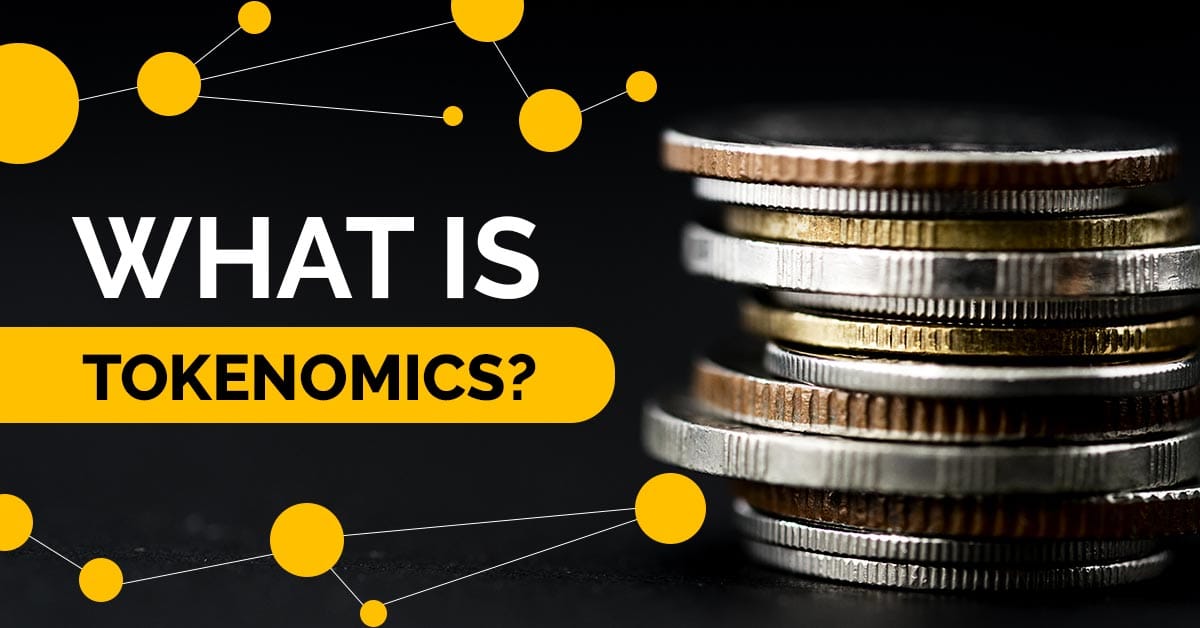
The rise of cryptocurrencies has introduced a new lexicon to the world of finance. Among the key terms that every investor and enthusiast must understand is “tokenomics.” Short for token economics, tokenomics encompasses all the elements that affect a cryptocurrency token’s value, use, and overall functionality. Whether you are a seasoned investor or a newcomer to the crypto space, understanding tokenomics is essential before diving into any blockchain-based project. This article will explore the various components of tokenomics and what you should know before making an investment decision.
What is Tokenomics?
Tokenomics refers to the study and design of the economic systems and incentives within a cryptocurrency or blockchain-based project. It combines the principles of traditional economics with blockchain technology to understand how tokens are created, distributed, and used within a particular ecosystem.
The goal of tokenomics is to ensure that a token retains and grows in value over time, thereby attracting users and investors while sustaining the project’s long-term viability. It involves aspects such as supply and demand, distribution mechanisms, utility, governance, and inflation/deflation models.
Key Components of Tokenomics
Understanding tokenomics requires a deep dive into its core components. Each plays a critical role in determining whether a project will succeed or fail.
1. Token Supply
The supply of a token is a fundamental element of tokenomics. It can be categorized into three types:
- Total Supply: The total number of tokens that will ever be created.
- Circulating Supply: The number of tokens currently in circulation and available for trading.
- Max Supply: The absolute cap on the number of tokens that can exist.
A limited supply can lead to scarcity, which in turn can drive demand and price appreciation. Conversely, an unlimited or poorly managed supply can lead to inflation and value depreciation.
2. Token Allocation and Distribution
How tokens are distributed among various stakeholders is another crucial aspect. This includes:
- Team and Founders: Often allocated a percentage of the total supply, usually vested over time to prevent dumping.
- Advisors: Individuals or firms providing strategic guidance.
- Investors: Seed and private investors who get early access to tokens.
- Community and Ecosystem: Tokens set aside for rewards, airdrops, or ecosystem growth.
A well-structured distribution plan ensures fairness and encourages active participation within the ecosystem.
3. Utility of the Token
A token must have a clear purpose within its ecosystem. Common utilities include:
- Medium of Exchange: Used to buy goods or services.
- Access Rights: Grants access to certain features or services.
- Governance: Enables voting on protocol changes.
- Staking and Rewards: Encourages holding and provides yield.
The stronger the utility, the higher the demand for the token, which often correlates with its price appreciation.
4. Incentive Mechanisms
Projects use incentive models to encourage specific behaviors:
- Staking Rewards: Token holders earn rewards by locking their tokens.
- Liquidity Mining: Rewards for providing liquidity to decentralized exchanges.
- Referral Programs: Incentivize users to invite others.
These mechanisms not only promote network growth but also create economic incentives for users to hold and use the token.
5. Burning Mechanisms
Token burning involves permanently removing tokens from circulation to reduce supply. This deflationary measure can increase scarcity and value over time. Projects implement burning in various ways, such as:
- Transaction Fees: A portion of fees are burned.
- Buybacks: The project buys tokens from the market and burns them.
Understanding a project’s burning mechanism helps evaluate its long-term supply and inflation dynamics.
6. Governance Structure
Decentralization is a core principle of blockchain. Many projects implement governance tokens that allow holders to vote on changes. Governance structures can be:
- On-chain: Voting is conducted through smart contracts.
- Off-chain: Voting occurs through external platforms or community forums.
A transparent and effective governance model ensures community trust and project adaptability.
7. Inflation and Deflation Models
Tokens may follow different issuance models:
- Fixed Supply: No new tokens will be created after a certain point (e.g., Bitcoin).
- Inflationary: New tokens are regularly minted (e.g., Ethereum pre-merge).
- Deflationary: Token supply decreases over time through burns.
Each model has implications for token value and user behavior. For instance, a deflationary model may encourage hoarding, while an inflationary model might incentivize spending.
8. Vesting Schedules
Vesting ensures that team members and early investors cannot immediately sell all their tokens. Vesting schedules help:
- Prevent market dumping
- Align long-term interests
- Build investor confidence
A clear and transparent vesting plan is a good sign of a project’s integrity and foresight.
9. Market Liquidity
Liquidity is the ease with which a token can be bought or sold. High liquidity means tighter spreads and better price stability. Factors influencing liquidity include:
- Exchange listings
- Trading volume
- Market makers
Projects often provide liquidity incentives to bootstrap trading activity in the early stages.
10. Token Valuation Models
There are several frameworks for evaluating token value:
- Discounted Cash Flow (DCF): Applicable if the token provides yield.
- Metcalfe’s Law: Values the network based on the number of users.
- Comparable Analysis: Compares with similar projects.
No single model is perfect, but a combination of methods can give a more accurate picture of value.
Evaluating a Project’s Tokenomics Before Investing
Investing in crypto projects requires more than hype and speculation. Here’s a checklist to evaluate a token’s economic fundamentals:
- Is the token supply capped or inflationary?
- What is the token’s utility within the ecosystem?
- How are tokens distributed among stakeholders?
- Are there clear incentives for holding or using the token?
- What governance mechanisms are in place?
- Is there a transparent vesting schedule?
- How liquid is the token in the market?
- What valuation models support the current price?
Answering these questions helps separate promising projects from potential scams or poorly designed systems.
The Role of Tokenomics in Project Sustainability
A well-designed tokenomics structure is not just about attracting investors—it’s also about creating a self-sustaining ecosystem. Good tokenomics:
- Encourages user participation
- Balances supply and demand
- Aligns incentives among all stakeholders
- Enhances governance and transparency
- Mitigates risks of inflation or dumping
Without solid tokenomics, even the most technically sound projects may struggle to survive in a competitive landscape.
Tokenomics and Regulation
As governments begin to regulate the crypto space, tokenomics is under increasing scrutiny. Projects must:
- Ensure compliance with securities laws
- Disclose token distribution and utility
- Avoid misleading claims
Regulatory compliance not only protects investors but also enhances project legitimacy and long-term viability.
Common Tokenomics Pitfalls
Some common red flags in tokenomics include:
- High allocation to founders without vesting
- Lack of clear utility or use cases
- Uncapped supply with vague emission schedules
- Overreliance on hype rather than fundamentals
- Opaque governance structures
Being able to identify these pitfalls can help you avoid losing money in risky investments.
Final Thoughts on Tokenomics
Tokenomics plays a pivotal role in the success of any blockchain project. It’s the backbone that supports a token’s value proposition and ensures long-term sustainability. By thoroughly analyzing a project’s tokenomics, investors can make informed decisions and navigate the volatile crypto markets with greater confidence.