

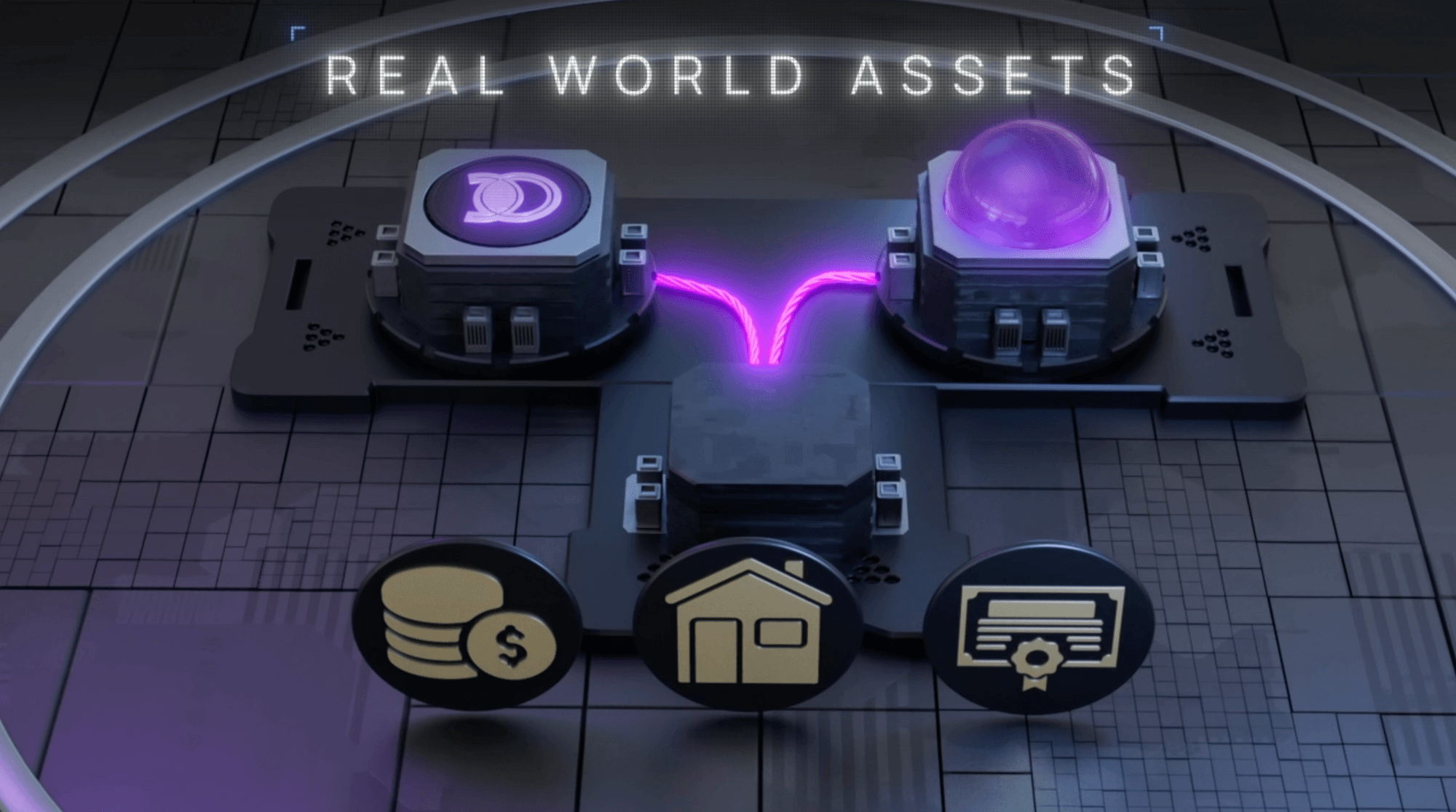
Since the emergence of Bitcoin in 2009, the world of cryptocurrencies has evolved rapidly. While Bitcoin remains the most recognized digital currency, it is only the tip of the iceberg. Beneath the surface lies a vast ecosystem of cryptocurrencies designed not just as alternatives to traditional money, but as tools to solve real-world problems across various industries. This article delves into the diverse landscape of cryptocurrencies that offer tangible applications beyond mere financial speculation, highlighting their innovative use cases in sectors ranging from finance to healthcare, supply chain management, and more.
1. Ethereum and Smart Contracts
Ethereum, launched in 2015, introduced a groundbreaking concept that set it apart from Bitcoin: smart contracts. Unlike Bitcoin, which was created primarily as a peer-to-peer digital currency, Ethereum was designed as a decentralized platform for building decentralized applications (dApps). Smart contracts are self-executing agreements coded directly into the blockchain, eliminating the need for intermediaries.
Real-world applications of Ethereum’s smart contracts include:
- Decentralized Finance (DeFi): Platforms like Uniswap, Aave, and Compound enable users to lend, borrow, and trade cryptocurrencies without traditional financial institutions.
- Insurance: Companies like Nexus Mutual offer decentralized insurance platforms that use smart contracts to automate claims and payouts.
- Real Estate: Smart contracts can automate property transfers, escrow services, and leasing agreements, streamlining real estate transactions.
2. Chainlink and Decentralized Oracles
Smart contracts are powerful, but they need reliable data to function effectively. This is where Chainlink enters the picture. Chainlink is a decentralized oracle network that enables smart contracts to interact with real-world data, APIs, and external systems.
Chainlink’s real-world use cases include:
- Financial Services: Chainlink provides price feeds to DeFi platforms, ensuring accurate and tamper-proof data for trading and lending.
- Weather Insurance: By integrating weather data into smart contracts, Chainlink enables automated crop insurance payouts based on rainfall or temperature conditions.
- Gaming and NFTs: Chainlink helps generate randomness in blockchain games, crucial for fair gameplay and unique NFT creation.
3. VeChain and Supply Chain Management
VeChain is a blockchain platform specifically designed to improve supply chain transparency and efficiency. Using Internet of Things (IoT) devices and blockchain technology, VeChain tracks products from origin to destination.
Some practical applications include:
- Luxury Goods: Brands use VeChain to authenticate luxury items, ensuring customers receive genuine products.
- Food Safety: VeChain has partnered with food companies to track the journey of food products, improving safety and recall efficiency.
- Logistics: Companies like DHL and Walmart China have tested or integrated VeChain to enhance traceability and reduce counterfeiting.
4. Stellar and Cross-Border Payments
Stellar is a blockchain designed to facilitate low-cost, high-speed cross-border transactions. Unlike traditional banking systems that can take days and incur high fees, Stellar enables near-instantaneous transactions between different currencies.
Real-world implementations include:
- Remittances: Stellar is used by companies like Tempo and SatoshiPay to provide affordable remittance services.
- Banking the Unbanked: By enabling mobile money services, Stellar opens financial services to people in underbanked regions.
- Partnerships with Central Banks: Stellar has partnered with financial institutions to pilot central bank digital currencies (CBDCs).
5. IOTA and the Internet of Things (IoT)
IOTA is a unique cryptocurrency designed for the Internet of Things. It doesn’t use a traditional blockchain but instead utilizes a system called the Tangle, which allows for feeless microtransactions and high scalability.
Practical uses of IOTA include:
- Smart Cities: IOTA is used in smart city projects to manage data from sensors and optimize traffic, energy, and utilities.
- Machine-to-Machine Payments: IOTA enables autonomous vehicles and smart appliances to transact with each other, such as paying for charging or data usage.
- Supply Chain Monitoring: Similar to VeChain, IOTA tracks goods and environmental conditions throughout their journey.
6. Helium and Decentralized Wireless Networks
Helium aims to build a decentralized wireless network powered by blockchain technology. Using a Proof-of-Coverage consensus algorithm, Helium incentivizes users to deploy Hotspots that provide connectivity for IoT devices.
Real-world applications include:
- Asset Tracking: Companies use Helium’s network to track assets across large areas at a fraction of the cost of cellular networks.
- Agriculture: Sensors powered by Helium help farmers monitor soil moisture, temperature, and livestock.
- Urban Development: Municipalities leverage Helium for low-cost, wide-area wireless coverage for smart infrastructure.
7. Basic Attention Token (BAT) and Digital Advertising
The Basic Attention Token is used within the Brave browser to revolutionize digital advertising. BAT aims to eliminate middlemen, reduce fraud, and better reward users for their attention.
Use cases in the real world include:
- User Rewards: Brave browser users earn BAT tokens by viewing privacy-respecting ads.
- Advertiser Efficiency: Advertisers get better engagement and analytics while reducing costs.
- Content Creators: Publishers and YouTubers can receive BAT tips directly from their audience.
8. Filecoin and Decentralized Storage
Filecoin is a decentralized storage network that allows users to rent out unused hard drive space in exchange for tokens. It offers a more secure, distributed, and efficient alternative to traditional cloud storage.
Real-world use cases include:
- Data Backup: Individuals and businesses use Filecoin to store important data securely and privately.
- Scientific Research: Filecoin is used to store massive datasets for scientific projects and ensure long-term access.
- Media Archives: Content creators can archive videos and other media securely without relying on centralized platforms.
9. Ripple (XRP) and Enterprise Banking Solutions
Ripple’s XRP token is designed to facilitate real-time, cross-border payments for financial institutions. Unlike Bitcoin or Ethereum, which are more public and decentralized, Ripple focuses on providing enterprise-grade solutions.
Ripple’s use cases include:
- Bank Transfers: Banks and financial institutions use RippleNet to process cross-border payments faster and at lower costs.
- Liquidity Provision: XRP is used as a bridge currency for instant liquidity in currency exchanges.
- CBDC Infrastructure: Ripple collaborates with central banks to build frameworks for digital currencies.
10. Civic and Digital Identity Verification
Civic is a blockchain-based identity management system that allows individuals to control their personal data and share it securely.
Civic’s practical applications include:
- Age Verification: Websites can verify user age without storing personal data.
- KYC Compliance: Businesses can perform Know Your Customer processes without collecting sensitive information.
- Access Control: Civic can manage access to buildings or events based on verified identity.
11. Power Ledger and Renewable Energy Trading
Power Ledger enables peer-to-peer energy trading using blockchain technology. It allows consumers to buy and sell excess renewable energy, such as solar power, directly with one another.
Real-world examples of use include:
- Microgrids: Communities can manage and trade energy locally, improving efficiency and reducing costs.
- Utility Integration: Power Ledger partners with utilities to bring transparency and automation to energy markets.
- Carbon Credit Tracking: The platform helps track and trade carbon credits, supporting sustainability goals.
12. Decentraland and Virtual Real Estate
Decentraland is a virtual reality platform powered by the Ethereum blockchain where users can buy, sell, and build on virtual land parcels using the MANA token.
Practical uses include:
- Virtual Events: Companies and artists host events and concerts in the metaverse.
- Digital Commerce: Businesses create virtual storefronts to sell digital and physical goods.
- Advertising: Brands pay for billboard space and product placements in virtual worlds.
13. Ocean Protocol and Data Monetization
Ocean Protocol allows individuals and organizations to share and monetize data while preserving privacy. It uses blockchain to control access and ensure data usage compliance.
Real-world applications include:
- Healthcare Data Sharing: Hospitals and researchers can share anonymized data for research without compromising patient privacy.
- AI Training Data: Companies can buy or sell datasets for training machine learning models.
- Decentralized Marketplaces: Users earn tokens by providing valuable datasets to the network.
14. Audius and Decentralized Music Streaming
Audius is a decentralized music streaming platform that enables artists to publish music without intermediaries.
Use cases in the industry include:
- Artist Empowerment: Musicians retain ownership and receive direct compensation.
- Fan Engagement: Fans can support artists through tokens and community governance.
- Censorship Resistance: Content is stored across decentralized nodes, reducing the risk of takedowns.
15. World Mobile Token (WMT) and Decentralized Connectivity
World Mobile aims to connect the unconnected through a decentralized network of internet nodes powered by blockchain and renewable energy.
Real-world examples:
- Rural Connectivity: WMT enables affordable internet access in remote areas.
- Education: Schools gain internet connectivity, enhancing digital learning opportunities.
- Healthcare: Clinics can access digital health tools via internet-enabled infrastructure.