
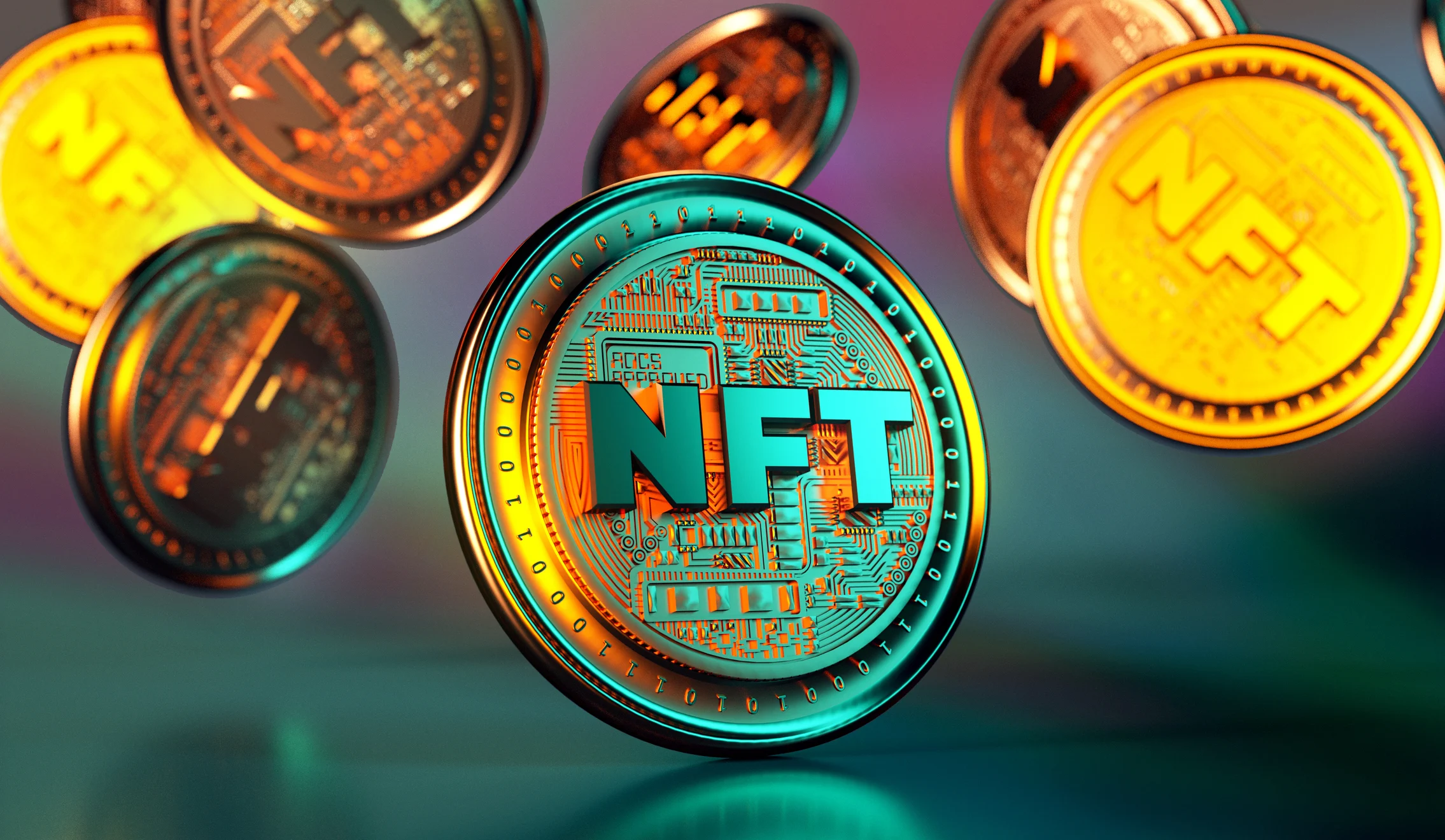
The digital landscape is constantly evolving, and one of the most talked-about developments in recent years is the rise of NFTs, or Non-Fungible Tokens. For artists, collectors, and investors, NFTs represent a new frontier in ownership, creativity, and commerce. If you’re new to the world of NFTs and wondering how you can get involved, this comprehensive guide will walk you through the basics of what NFTs are, how to create them, and how to buy and sell digital art on NFT marketplaces.
What Are NFTs?
NFT stands for Non-Fungible Token. In simple terms, it is a type of digital asset that represents ownership of a unique item or piece of content using blockchain technology. Unlike cryptocurrencies such as Bitcoin or Ethereum, which are fungible (each unit is identical and can be exchanged on a one-to-one basis), NFTs are unique and cannot be exchanged on a like-for-like basis.
NFTs can represent digital art, music, videos, in-game items, virtual real estate, collectibles, and more. The ownership and provenance of an NFT are recorded on a blockchain, making it secure, verifiable, and easily transferable.
Why Are NFTs Important?
NFTs are transforming how digital assets are created, owned, and exchanged. For artists, NFTs offer a way to monetize digital work without relying on traditional galleries or agents. They also allow for royalties to be programmed into the smart contract, so artists can earn a percentage of future sales. For collectors and investors, NFTs provide a way to own and trade scarce digital goods, with transparent provenance and proof of authenticity.
Getting Started with NFTs
To get involved in NFTs, you will need:
- A digital wallet
- Some cryptocurrency (usually Ethereum)
- Access to an NFT marketplace
Let’s break these steps down.
1. Setting Up a Digital Wallet
A digital wallet is a software application that allows you to store cryptocurrency and interact with the blockchain. Some of the most popular wallets for NFT transactions include MetaMask, Trust Wallet, and Coinbase Wallet.
To create a wallet:
- Go to the official website of the wallet provider (e.g., metamask.io)
- Download the browser extension or mobile app
- Create a new wallet and securely store your seed phrase
- Connect your wallet to your browser or mobile device
Your wallet address acts like your digital identity in the blockchain world. This is the address to which you will send and receive NFTs and cryptocurrency.
2. Buying Cryptocurrency
Most NFT platforms use Ethereum (ETH) as the primary currency. To buy ETH, you can use cryptocurrency exchanges like Coinbase, Binance, or Kraken. Here’s how:
- Sign up on an exchange and verify your identity
- Link your bank account or debit card
- Purchase Ethereum
- Transfer Ethereum to your digital wallet
3. Choosing an NFT Marketplace
There are several NFT marketplaces, each with different features and communities. Some of the most popular include:
- OpenSea: The largest NFT marketplace, supports various types of digital assets
- Rarible: Community-driven platform with a focus on art
- Foundation: Curated platform for digital artists
- SuperRare: High-end marketplace for single-edition artworks
Connect your wallet to the marketplace to begin browsing, buying, or selling NFTs.
How to Create NFTs (Minting)
Minting is the process of turning your digital file into an NFT on the blockchain. Here’s how to create your own NFT:
- Prepare Your Digital Art
- Your file can be an image, video, audio, or 3D model
- Make sure it is high quality and formatted correctly (e.g., JPG, PNG, MP4, MP3)
- Choose a Marketplace for Minting
- Most platforms like OpenSea and Rarible offer an easy minting process
- Connect Your Wallet
- Use your wallet to log into the NFT platform
- Upload Your File
- Follow the platform’s instructions to upload your digital art
- Add Metadata
- Title, description, properties, levels, stats, and unlockable content
- Set Royalties
- Choose the percentage you wish to earn from secondary sales
- Mint the NFT
- Confirm the transaction through your wallet
- Pay the gas fee (a blockchain transaction fee)
After minting, your NFT will be live on the blockchain and available for listing or sale.
How to Buy NFTs
- Explore Marketplaces
- Browse collections, search for artists, and explore trending items
- Check the Details
- Look at the NFT’s metadata, ownership history, and artist profile
- Place a Bid or Buy Now
- If it’s an auction, place a bid. If it’s a fixed price, you can purchase immediately
- Confirm the Purchase
- Use your wallet to approve and pay for the transaction
- Access Your NFT
- After the transaction is confirmed, the NFT will appear in your wallet
How to Sell NFTs
- Choose the NFT to Sell
- Go to your profile on the marketplace and select the NFT
- Click ‘Sell’
- Decide whether to set a fixed price or start an auction
- Set Price and Duration
- Enter the amount and how long the sale should run
- Confirm Listing
- Sign the transaction in your wallet
- Pay the necessary gas fees (some platforms cover this for you)
Your NFT will be listed for sale and available for purchase by others.
Best Practices and Tips for NFT Beginners
- Research Artists and Projects: Not all NFTs are created equal. Look into the background, community, and reputation before buying.
- Understand Gas Fees: Ethereum gas fees can vary. Consider timing your transactions during low-traffic periods.
- Secure Your Wallet: Never share your seed phrase and use strong passwords.
- Start Small: Begin with low-cost NFTs to learn the ropes before making big investments.
- Join Communities: Discord, Twitter, and Clubhouse are great for learning and networking in the NFT space.
- Stay Informed: The NFT space is evolving fast. Follow industry news, trends, and updates.
Common NFT Scams to Avoid
- Phishing Sites: Always double-check URLs before connecting your wallet
- Fake Projects: Do your research to ensure the legitimacy of NFT collections
- Impersonators: Scammers often pretend to be famous artists or influencers
- Pump and Dump Schemes: Be wary of hype-driven projects with no real value